How to Invest in Renewable Energy in Cyprus
Contents▾
Contents
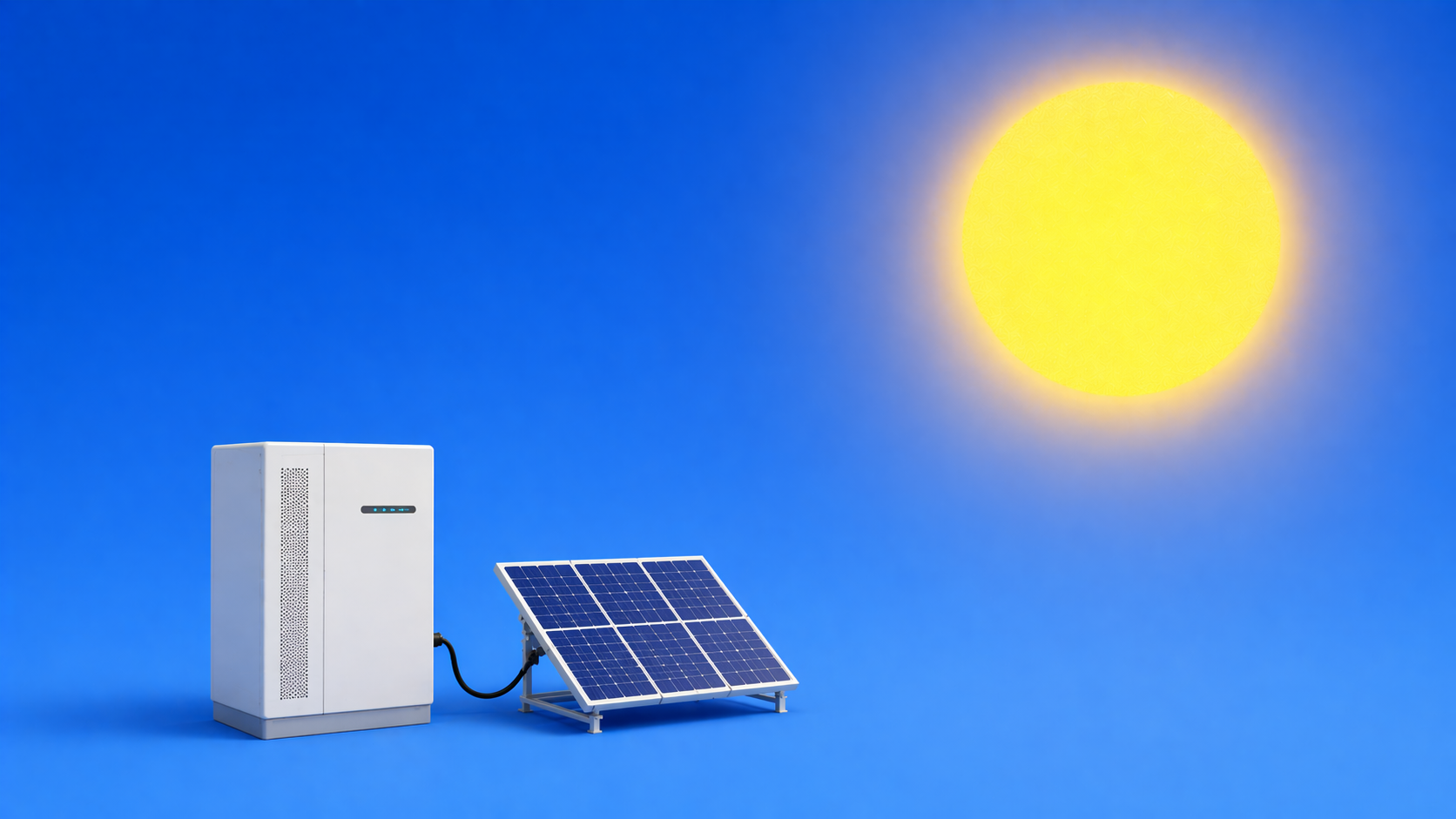
Cyprus is one of the sunniest countries in Europe. Over 93% of households already use solar energy to heat their water, a rate unmatched almost anywhere in the world. When it comes to harnessing the sun, Cypriots don't need convincing.
And yet, for most people, the relationship with solar energy ends at the water heater on the roof. The idea that solar can be something you invest in, the way you'd invest in property or a fixed-income product, remains largely unexplored. That's starting to change.
Why solar, and why now
The economic case for solar energy investment in Cyprus is built on a straightforward contradiction. The island has exceptional natural solar resources, but its businesses still pay among the highest electricity prices in the European Union, consistently ranking in the top three among EU member states for non-household electricity costs.
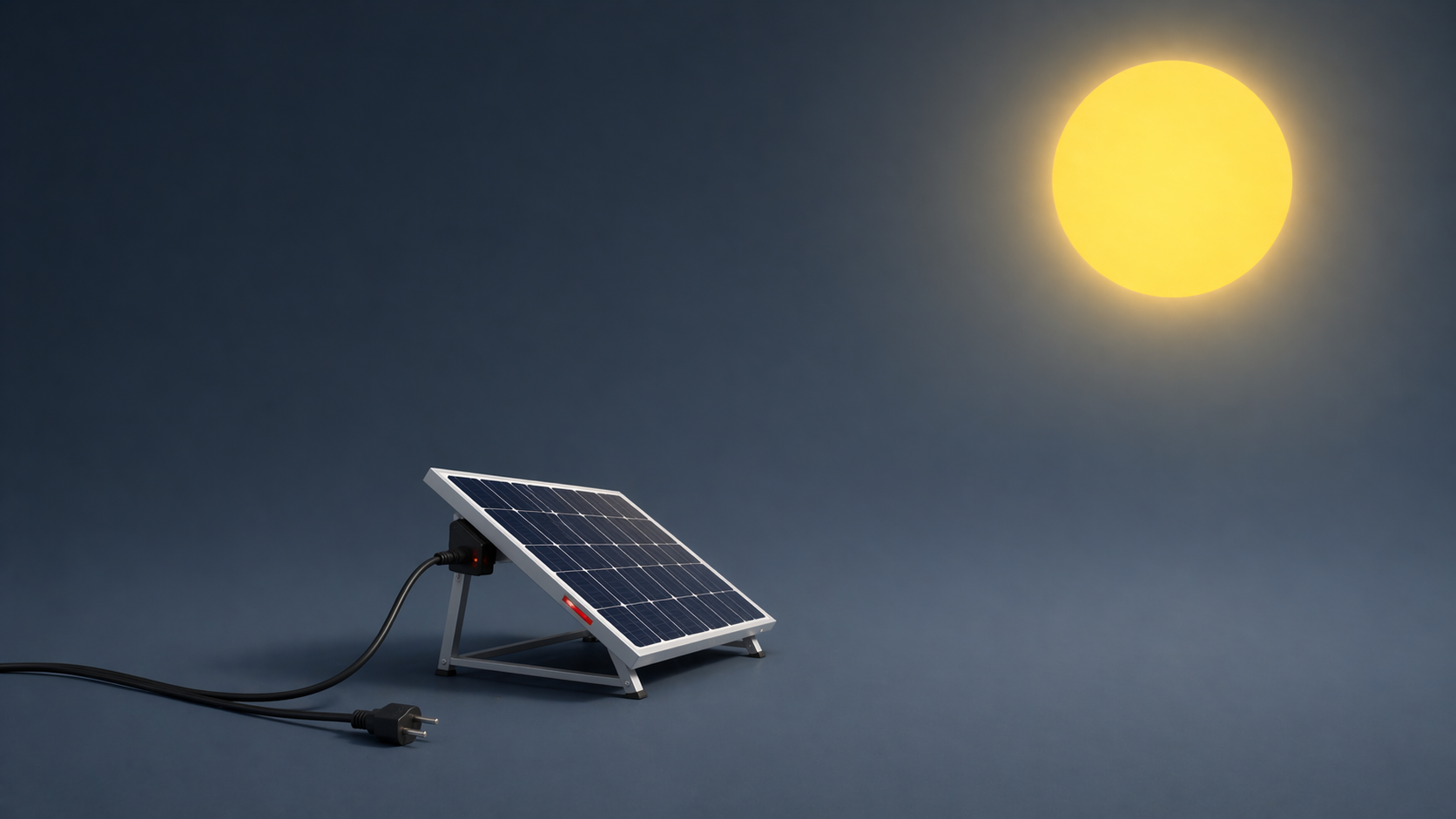
At the same time, the country is producing more renewable energy than its grid can handle. In 2025, 47% of all solar and renewable energy generated by plants connected to Cyprus's distribution network was curtailed, meaning the energy was produced but never used. That's 306 GWh of clean energy wasted in a single year, enough to power over 51,000 households, according to data published by energy analytics platform CyprusGrid.
This creates an unusual situation: high electricity costs for businesses, abundant solar potential, and a grid that can't absorb everything being produced. For investors, this isn't just an environmental story. It's an economic one.
What options exist
If you want exposure to renewable energy as an asset class, there are global options: listed companies, ETFs, green bonds. But these give you exposure to the sector broadly, not to Cyprus specifically. A European clean energy ETF is unlikely to hold a single asset on this island. If what interests you is participating in Cyprus's own solar market, the options narrow considerably.
The most direct route is buying your own photovoltaic system. Install panels on your property, consume the energy, sell any excess back to the grid. This works well for homeowners, but it requires upfront capital, a suitable roof, and hands-on management. It's energy saving more than it is investing.
For those with significantly larger capital and the right industry connections, participating in a large-scale photovoltaic park is another route. But utility-scale solar in Cyprus comes with serious headwinds right now. The energy travels through the national grid, which means direct exposure to the curtailment problem that saw 47% of distributed renewable generation wasted in 2025. Revenue depends on grid export prices, which are unpredictable and subject to policy changes. This is a path for institutional-scale capital, and even then, not a straightforward one.
A newer model is emerging through regulated crowdfunding platforms. Under the European Crowdfunding Service Provider (ECSP) Regulation, licensed platforms allow investors to participate directly in specific solar energy projects or portfolios in Cyprus. You invest in a defined set of assets with projected cash flows, and receive returns through dividends, capital repayment, or a combination of both, depending on the structure. Minimum investments are typically accessible, and the assets are clearly defined.
What makes certain investments in this space particularly interesting is the behind-the-meter model. Instead of selling energy to the grid, solar panels are installed on commercial rooftops and the energy is consumed directly by the businesses on-site. Picture the Marks & Spencer building in Nicosia: shoppers browse the aisles while photovoltaic panels on the roof quietly generate electricity that powers the store below. The business pays for the energy it uses at a rate below what the grid would charge. No grid dependency. No curtailment. Revenue comes from long-term agreements with the businesses hosting the panels, not from unpredictable export prices.
What to look for
Not all solar investments are created equal. A few fundamentals matter, regardless of the structure.
Contracted revenue is the starting point. Is the income secured through long-term Power Purchase Agreements (PPAs) with established businesses, or is it dependent on volatile spot prices? Predictable cash flows from creditworthy customers are the backbone of a reliable solar investment.
Operator track record matters. Solar panels can produce energy for 25 years or more. The entity building and maintaining those assets needs the experience and stability to manage them over that full period.
Asset ownership is worth understanding. Ideally, the entity you're investing in should own the solar assets directly. Structures where assets sit inside a dedicated special purpose vehicle (SPV) mean the infrastructure and revenue continue even if the operator were to change.
Investor protections are especially important in private investments. Look for dividend floors, liquidation preferences, reporting obligations, and consent requirements for material changes.
And regulatory oversight ties it together. In the EU, crowdfunding platforms operate under Regulation 2020/1503, which sets requirements for authorisation, transparency, and investor protection. In Cyprus, platforms are supervised by the Cyprus Securities and Exchange Commission. This framework ensures investors receive clear, standardised information before committing capital.
How it works in practice
To make this concrete, consider PayGreen, a portfolio of commercial solar installations in Cyprus that raised €311,250 through Crowdbase, closing on 31 May 2026. An operator with a 20-year track record installs photovoltaic systems on commercial rooftops. The businesses sign long-term PPAs, paying for the energy they consume at rates below what they'd pay the grid. The solar assets sit in a dedicated SPV, which collects revenue, covers operating costs, and distributes the rest to investors through annual dividends and progressive share redemptions.
The investment is structured with protections including a dividend floor, board observer rights, and liquidation preference. This is one illustration of how solar energy investment works in practice. The specifics vary from project to project, but the logic is consistent: real assets, contracted income, and a transparent structure.
Before you invest
Every investment carries risk. These are long-term commitments where capital is returned progressively, not through a single exit. Liquidity is limited. Smaller portfolios may depend on a handful of customers, meaning a single default could meaningfully affect returns. And energy policy evolves: tariffs and incentives can change over the investment horizon, although behind-the-meter models offer some insulation since energy is consumed on-site rather than exported to the grid.
Every regulated campaign publishes a Key Investment Information Sheet (KIIS) that sets out the terms, risks, and projections in a standardised format. Read it. Understand the structure. Assess whether it fits your goals.
Renewable energy in Cyprus isn't a future opportunity. It's a present reality. The question for investors isn't whether solar works here. It's whether the structures now available allow them to participate in it on terms that make sense. For the first time, they increasingly do.
Investing in financial instruments carries risk, and you may lose part or all of your invested capital. Ensure you understand the risks before investing.
More from Crowdbase
Discover more from our blog, guides and more



Own the Future with every new opportunity
Sign up for our newsletter to hear first about new campaigns where the Crowdbase team co-invests alongside the community.