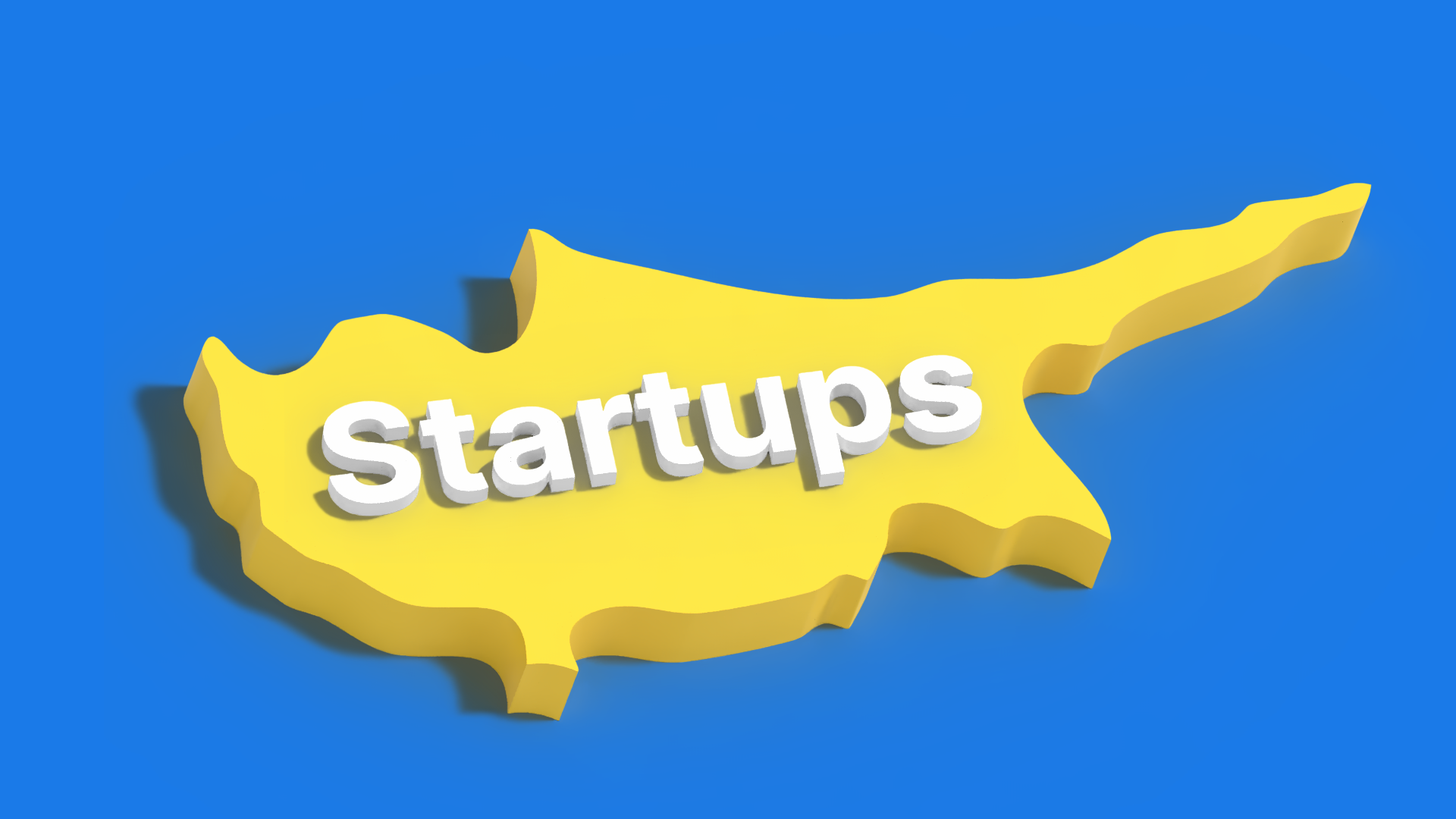
Start your Fundraising Journey with Crowdbase
Crowdbase empowers startups, and innovative real estate projects to access the capital they need to grow and thrive.
Crowdbase empowers startups, and innovative real estate projects to access the capital they need to grow and thrive.
Regardless of the campaign’s outcome, your business will gain significant exposure to the platform’s investor base. Additionally, intense marketing efforts from both the platform and the company can increase the company’s exposure and visibility across its target markets.
Running a crowdfunding campaign means that all information an investor needs to take an informed decision can be found in one centralised location, the campaign page. This eliminates the need for you to explain the same things repeatedly to multiple potential investors, as you can redirect them to the campaign page to find the investment information they need, allowing you to focus on running your business.
A successful campaign is the perfect proof of concept and validation of a potential market for your product or service. Managing to hit your funding goal with a large number of investors goes to show that these people believed in you and your product/service. Using the momentum of a successful campaign, you can later raise additional funds from institutional investors.
Crowdfunding can help startups build a community of engaged supporters and customers. By investing in the company and becoming early adopters of your product or service, these investors become your brand ambassadors, spreading the word about your company and helping attract new customers.

The first end-to-end Student Housing Platform in Cyprus, Greece and beyond.
Raised €535,706

Commercial solar installations for Cyprus businesses, delivering predictable, contracted returns.
Raised €311,250
AI-powered end-to-end recruitment platform for hospitality businesses and beyond.
Raised €300,000

Uniting doers by creating real-life experiences, building a global community, and developing cutting-edge technology.
Raised €213,600

A unique Food and Beverage tool for any hotel & tourist accommodation.
Raised €600,000

Drive Real Estate decisions through Actionable Insights.
Raised €539,720

Turn any device into a high-performance Cloud PC.
Raised €205,450

Fully serviced and equipped flexible accommodation for business professionals and digital nomads.
Raised €430,000

A pioneering real estate development that redefines urban living.
Raised €574,010

The first and only beauty & wellness marketplace in Cyprus.
Raised €212,061.28

The first holiday yachting price comparison platform.
Raised €469,718
Apply and get started in less than 2 months.

Apply for funding through Crowdbase and get access to our network of investors.
Still have questions? Visit our FAQ page or contact us!